

In addition to our leadership team, we have had 17 participants in total. These participants have been a part of various activities structured across the three years of the grant to provide increasingly intensive training experiences that funnel theologians into higher levels of training based on their continued interest, prior engagement levels, and prior performance.
Leadership Team
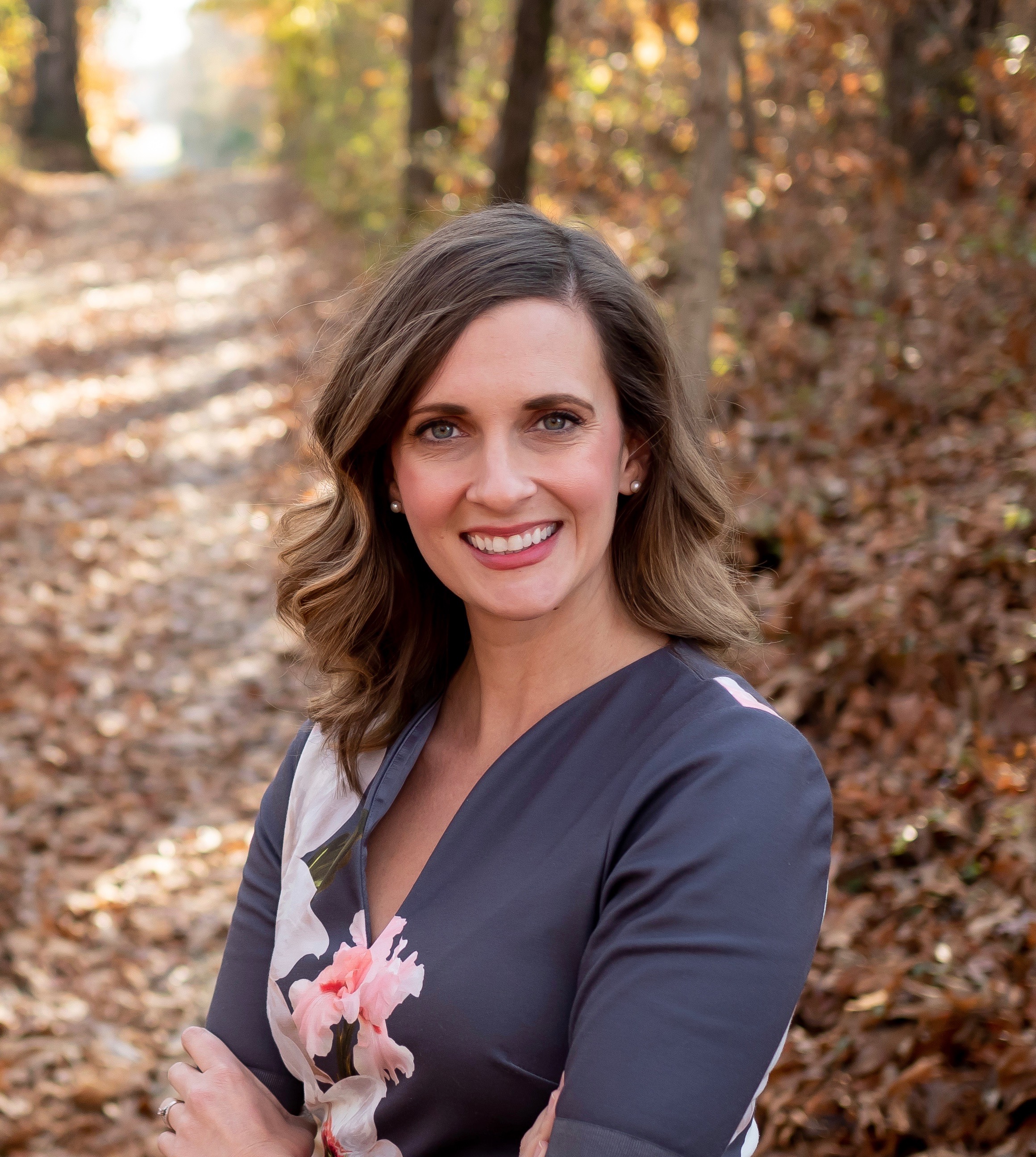
Dr. Devan Stahl is the Project Leader for the Illuminating Theological Inquiry and Christian Ethics Through Training in Psychological Science grant. She is an Associate Professor of Religion and Bioethics at Baylor University specializing in disability theology, bioethics, and the visual arts. Dr. Stahl is trained as a hospital chaplain and works as a clinical ethicist consultant and researcher. Her latest book, Disability’s Challenge to Theology: Genes, Eugenics, and the Metaphysics of Modern Medicine (Notre Dame Press) develops a Christian response to genetic technologies using the insights of disability scholars. She also hosts the popular podcast Bioethics For the People.
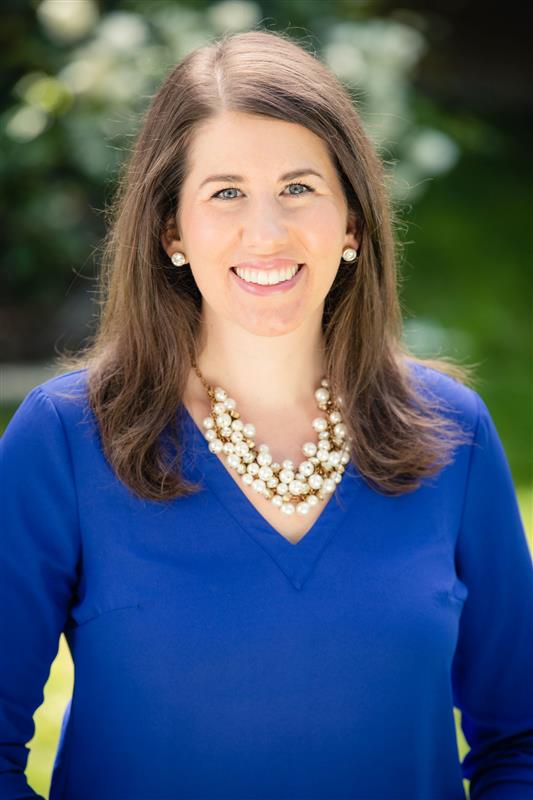
Dr. Sarah Schnitker is a Professor of Psychology and Neuroscience at Baylor University Director of the BRIGHTS (Baylor Research in Growth and Human Thriving Science) Center. Schnitker studies virtue development in adolescents and emerging adults, focusing on the role of spirituality/religion in virtue formation. She is an Associate Editor for Psychology of Religion and Spirituality, an Editorial Board member for Journal of Research in Personality, and a co-editor of the Handbook of Positive Psychology, Religion, and Spirituality. She is the recipient of the Virginia Sexton APA Division 36 Mentoring Award and Student International Positive Psychology Association Mentor Award.
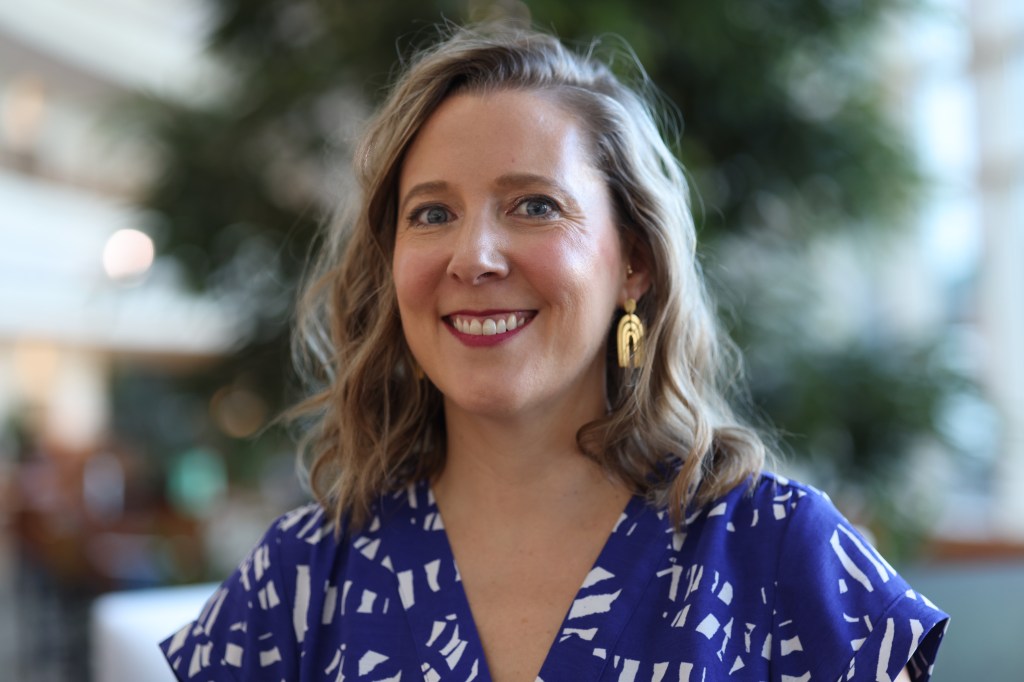
Dr. Natalie Carnes is Professor of Theology at Duke Divinity School. A constructive theologian working in systematic theology, feminist theology, and theology and the arts, Natalie is finishing a project with Matthew Whelan on poverty and art and beginning a new one on creativity. She is the author of several books, most recently Attunement: The Art and Politics of Feminist Theology (OUP 2024).
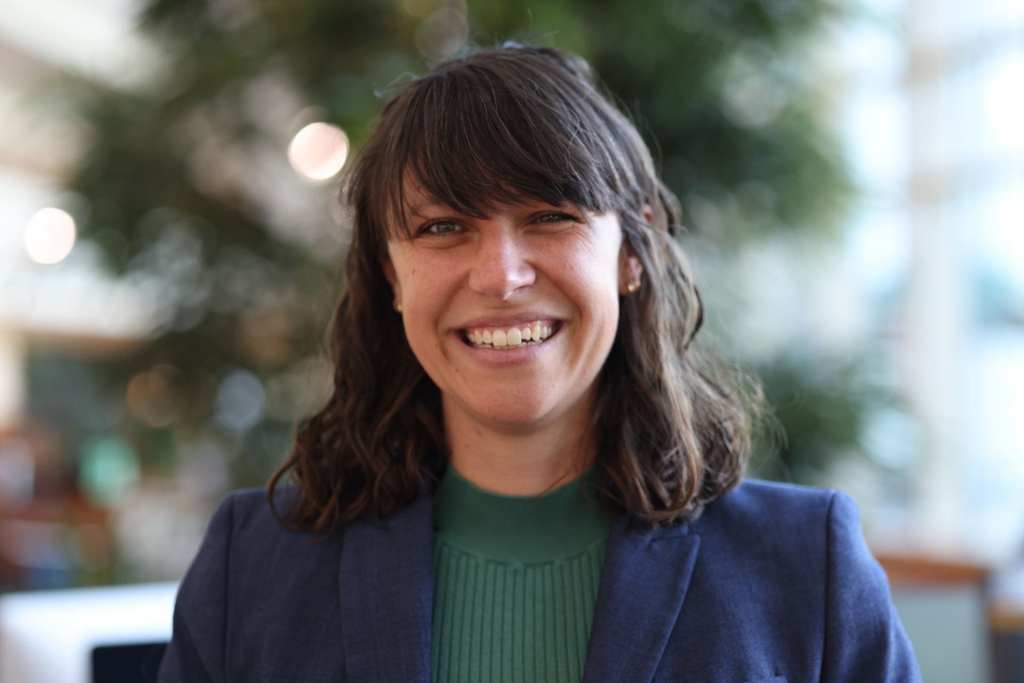
Dr. Anne Jeffrey is an Associate Professor of Philosophy at Baylor University. Her first monograph, God and Morality (Cambridge University Press), explores how differences in theistic views between various lived religions bear on arguments purporting to ground various aspects of morality in God. Her second monograph, Being and Becoming Good (under contract, Oxford University Press), presents and defends a pluralist and empirically sensitive Aristotelian account of human goodnesses and virtues. She has published on topics in moral psychology, political philosophy, metaethics, and philosophy of religion and worked with Dr. Krista Mehari, Marie Chastang, and an urban community in the southern US to develop Empowered, a virtue-promoting intervention for adolescents.
Phase 1
In Phase 1 of the project, theologians received intensive in-person trainings in the basic concepts and methods of collaboration in psychological science and participated in a twice monthly interdisciplinary seminar series with psychologists. Approximately 15 theologians committed to participate in a 1-week intensive training May 2023, a twice monthly seminar series for the 2023-24 AY, and a second 1-week intensive training May 2024.
Participants
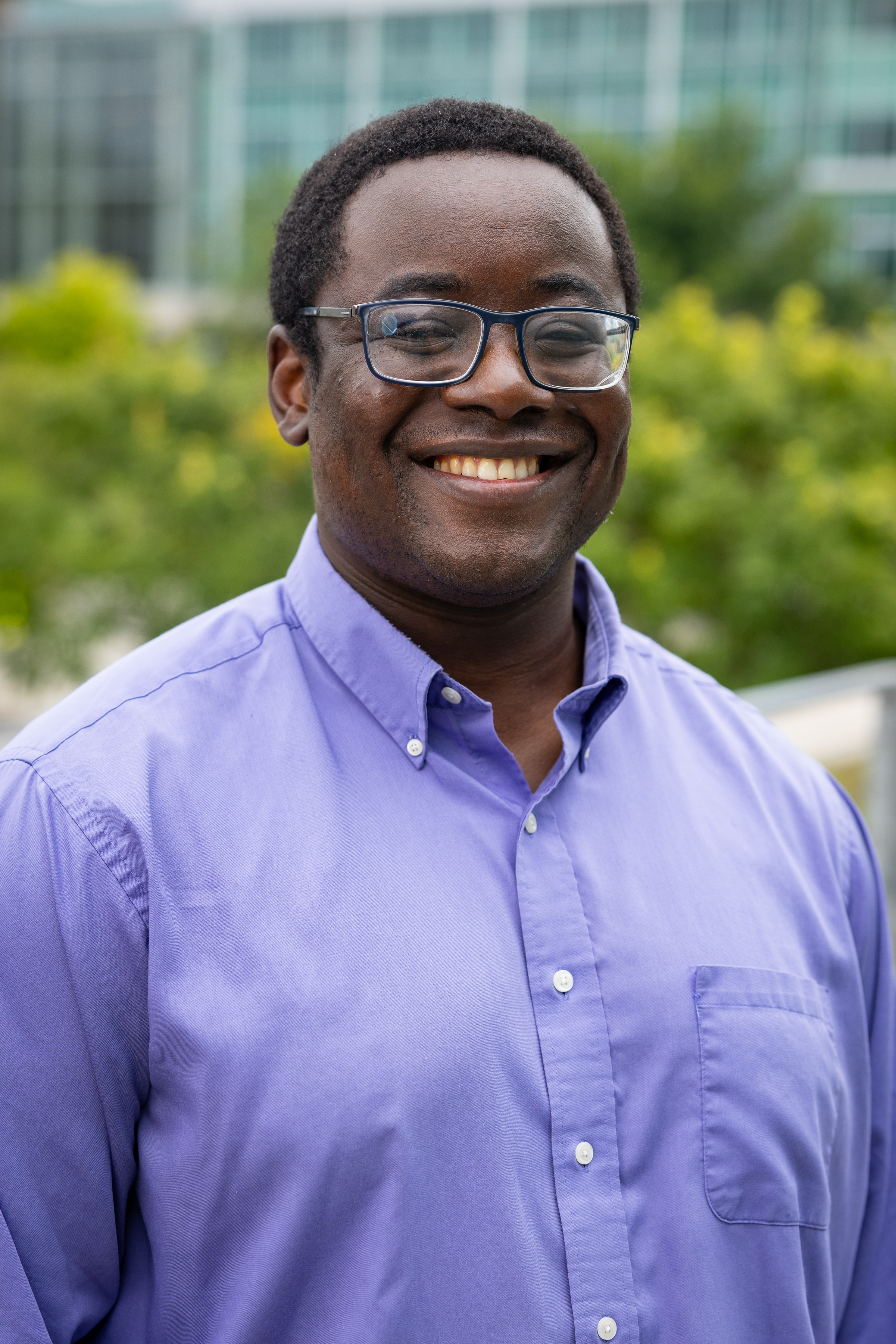
Toni Alimi specializes in religion, ethics, and politics. His research and teaching span ancient Roman philosophy (specializing in Lactantius and Augustine), intellectual history (focusing on freedom, slavery, law, rule, and authority), contemporary ethics and politics (idem), and philosophy of religion. His first book, “Slaves of God: Augustine and Other Romans on Religion and Politics,” (Princeton University Press, 2024) explicates Augustine’s reasons for justifying slavery and argues that slavery is a central theme in his broader ethics and politics.
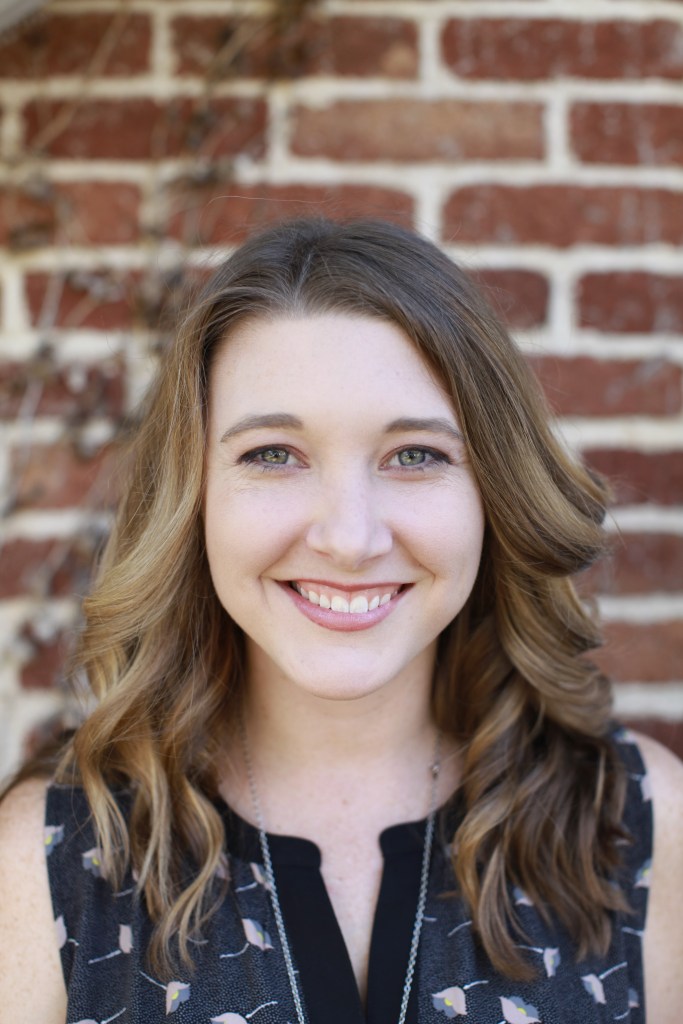
Dr. Jennifer Allen Craft is Professor of Theology and Humanities and Department Chair of the Humanities at Point University in West Point, Georgia where she teaches course in theology, philosophy, and the arts. She is author of the book Placemaking and the Arts: Cultivating the Christian Life (IVP Academic 2018) and is currently working on a book on place and displacement in constructive theological discourse. Her wider work focuses on the role of the visual arts in Christian placemaking and theological aesthetics and ethics.
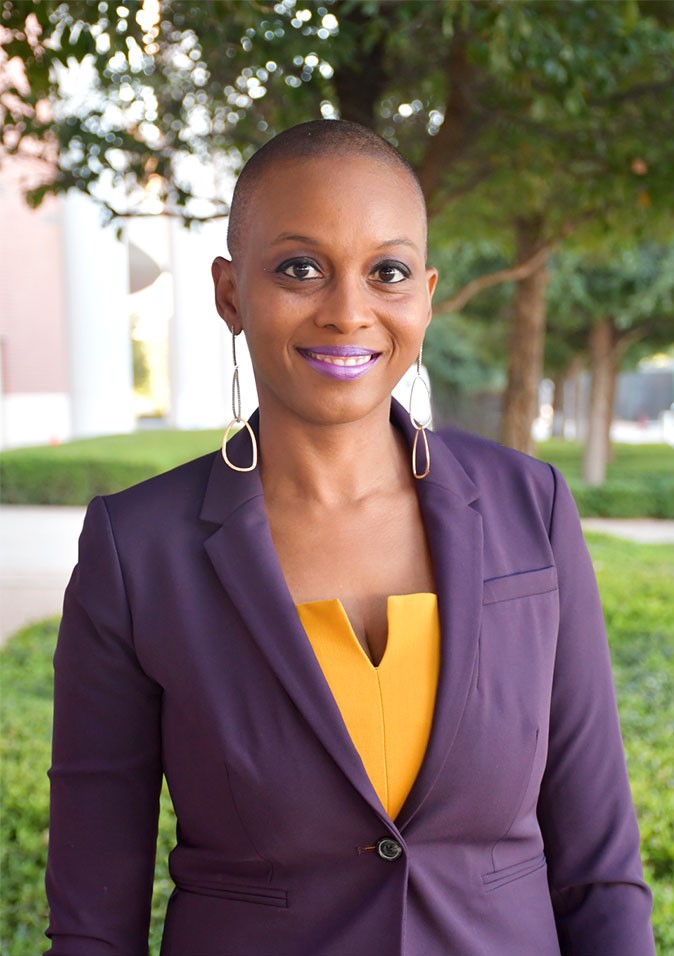
Dr. Ericka Shawndricka Dunbar is an Assistant Professor of Religion at Baylor University and holds a PhD in Biblical Studies (Hebrew Bible/Old Testament) from Drew University. Her first book, Trafficking Hadassah: Collective Trauma, Cultural Memory, and Identity in the Book of Esther and the African Diaspora (Routledge, 2022) is a dialogical cultural study of sexual trafficking in the book of Esther and during the Transatlantic Slave Trade. She served as coeditor of Bitter the Chastening Rod: Africana Biblical Interpretation after Stony the Road We Trod in the Age of BLM, SayHerName, and MeToo (2022), and is an ordained elder in the Christian Methodist Episcopal Church.

Dr. Elise Edwards is a scholar and writer who crosses the disciplinary boundaries between theology, ethics, and architecture. Her work develops theological and ethical perspectives on social justice, human flourishing, and architecture and the arts as cultural expressions. Dr. Edwards is an Assistant Professor at Baylor University in Religion, affiliate faculty in Women’s and Gender Studies, and Director of the Baylor Initiative in Christianity and the Arts, and has served in leadership in several academic guilds and scholarly initiatives. She is also a registered architect, author of Architecture, Theology, and Ethics: Making Architectural Design More Just, and co-editor with Katie Day of The Routledge Handbook of Religion and Cities.
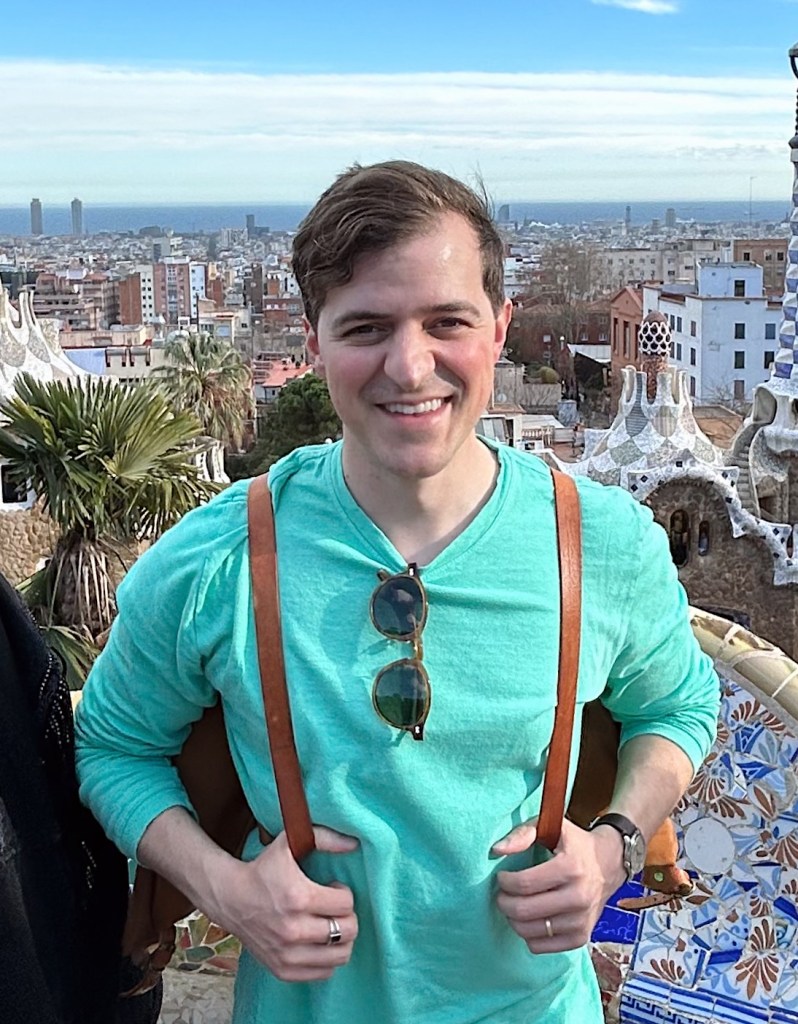
Dr. Matthew Elia is currently Assistant Professor of religion, race, and environment at Saint Louis University. He is the author of The Problem of the Christian Master: Augustine in the Afterlife of Slavery (Yale University Press, forthcoming in May 2024), as well as several scholarly articles. He is currently working on a book on climate justice, race, and religion, titled tentatively We Are Each Other’s Harvest: Solidarity at the End of the World.

Dr. Kate Finley is an Assistant Professor of Philosophy at Hope College (Ph.D., University of Notre Dame). She works primarily on topics at the intersection of philosophy of mind & cognitive science, philosophy of religion, and applied ethics. She has recently published on topics including experiences and understanding of psychopathology in religious individuals and communities; the effects of over-medicalizing and over-spiritualizing views of mental disorder; ethical and therapeutic issues surrounding digital phenotyping in psychiatry; and Embodied Cognition and the impact of computational metaphors for the mind and brain. Much of her work is highly interdisciplinary—she has collaborated with colleagues in Engineering, Computer Science, Psychology Neuroscience, and Anthropology on various research and teaching projects.
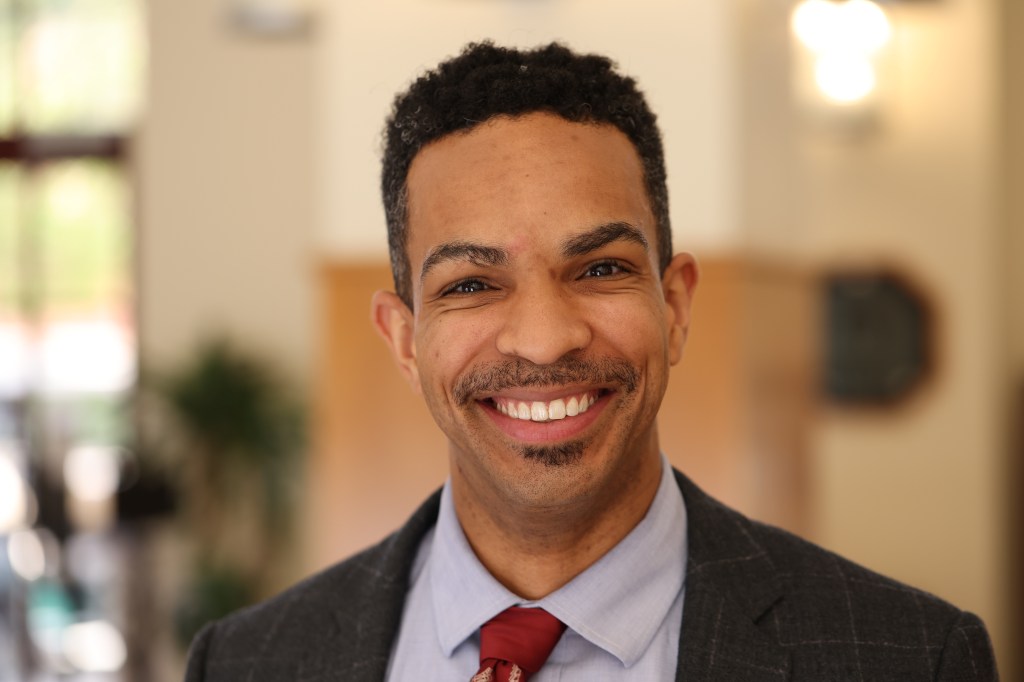
Dr. Daniel Lee Hill is Assistant Professor of Christian Theology at George W. Truett Seminary at Baylor University. Originally from Chicago’s south suburbs, he obtained his bachelor’s degree at Hampton University and his Th.M at Dallas Theological Seminary. Afterward, he attended Wheaton College for his doctoral work where he studied theological anthropology with special reference to the manner in which the church informs our understanding of ways of being human. His areas of interest include theological anthropology, death, dying, ecclesiology, and the church’s public witness. Dr. Hill has authored numerous articles and has published one book, Gathered on the Road to Zion (Pickwick, 2021), with another work on abolitionary figures and the church’s public witness forthcoming. He received the Emerging Public Intellectual Award in 2022 and delivered the 18th annual Frank Pack Distinguished Christian Scholar Lecture Program at Pepperdine University.

Dr. Jamal-Dominique Hopkins is Associate Professor of Christian Scriptures and Director of the Black Church Studies Program at Baylor University’s George W. Truett Theological Seminary. Prior to this, he was the founding Dean of Allen University’s Dickerson-Green Theological Seminary. Dr. Hopkins has been a Christ and Being Human Pedagogy Fellow with Yale University’s Center for Faith and Culture (2020-2024) and a Faculty Research Fellow with the Institute for Oral History at Baylor University (2023-2024). He holds a B.A. degree from Howard University, an M.A. degree in theology and biblical studies from Fuller Theological Seminary, and a Ph.D. from the University of Manchester (U.K.). His research focuses on the intersection of the Dead Sea Scrolls and Qumran Studies with Biblical Literature and Black Religious Thought. He is the author of numerous publications, including the book Cultic Spiritualization: Religious Sacrifice in the Dead Sea Scrolls (Gorgias Press, 2022).
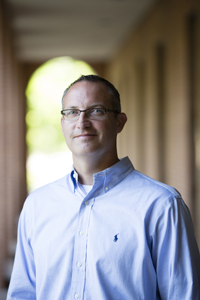
Kelly R. Iverson is Professor of New Testament at Baylor University. His research focuses on the dynamics of biblical interpretation, in particular how the oral cultures that produced the Jesus tradition impacted the transmission and reception of the gospels. His most recent work focuses on the dynamics of performance and how audiences experience traditions in oral contexts. He is the author or editor of Reading Mark (Cascade), Performing Early Christian Literature: Audience Experience and Interpretation of the Gospels (Cambridge), From Text to Performance: Narrative and Performance Criticisms in Dialogue and Debate (Cascade), Unity and Diversity in the Gospels and Pau (SBL), Mark as Story: Retrospect and Prospect (SBL), and Gentiles in the Gospel of Mark: “Even the Dogs under the Table Eat the Children’s Crumbs” (T&T Clark).
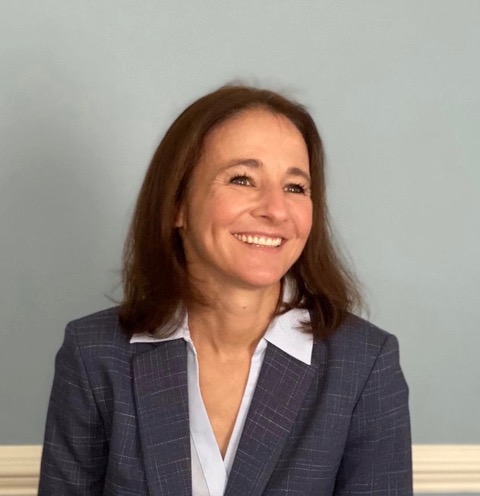
Dr. Angela Knobel is an associate professor at the University of Dallas. She received her doctorate in philosophy from the University of Notre Dame in 2004. Her work focuses primarily on Aquinas’ theory of infused virtue, virtue ethics and applied ethics. She is the author of Aquinas and the Infused Moral Virtues (Notre Dame, IN: University of Notre Dame Press 2021). She has published articles on a wide variety of topics, including feminism, abortion, moral change, and the acquisition and loss of virtue. Her work has appeared in The Cambridge Companion to Aquinas, in journals such as Studies in Christian Ethics, The Thomist, The Journal of Moral Theology and in a variety of other journals and edited volumes.

Dr. Mandy McMichael is the Associate Director and J. David Slover Associate Professor of Ministry Guidance at Baylor, a role which offers her the opportunity to work with undergraduate students who are discerning a call to ministry. Her first book, Miss America’s God: Faith and Identity in America’s Oldest Pageant, was published by Baylor University Press in 2019. Her next book, a co-authored work with New Testament scholar Dr. Alicia Myers is titled Helen Barrett Montgomery’s Bible: Victorian American and Competing Constructions of Womanhood and will be published by Oxford University Press. McMichael’s current research project, an oral history of Baptist Women in Ministry, grew out of conversations and interactions with her female students wrestling with a call to ministry.
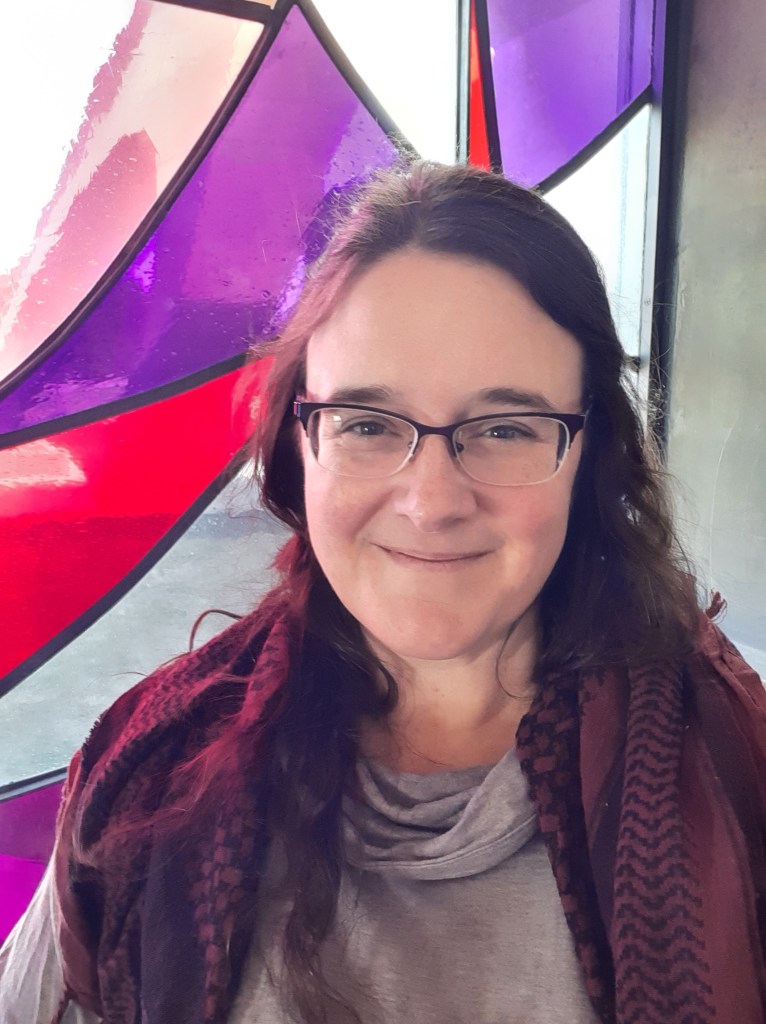
Rev. Dr. Anna Mercedes, facilitates social healing through her work as a professor, facilitator, pastor, and author. She is Professor of Theology at the College of Saint Benedict and Saint John’s University in central Minnesota and an adjunct faculty member at United Theological Seminary of the Twin Cities. She serves in campus ministry as an ordained pastor in the Evangelical Lutheran Church in America and volunteers as a movement chaplain providing spiritual care to social movements. She has directed campus initiatives on social change and contributes to the Counterpoint Knowledge blog at www.counterpointknowledge.org. Her current research is at the intersections of somatics, social healing, and theologies of trauma. She has completed Strategies for Trauma Awareness and Resilience Level II training with the Center for Justice and Peacebuilding, is finishing Advanced Training Program with the Center for Mind Body Medicine, and consults for groups and organizations through www.supplecommunity.org.
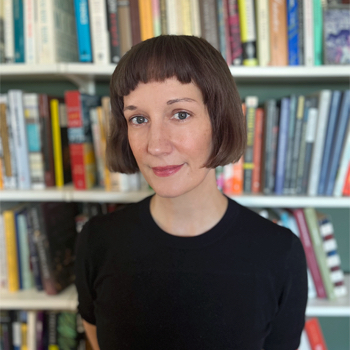
Dr. Kathryn Reklis is Associate Professor of Modern Protestant Theology and Co-Director of the Comparative Literature program at Fordham University, where she is also an Affiliate Faculty in American Studies. Most of her research projects explore different ways Christian theologians and ordinary Christians appeal to and understand beauty, art, and embodied experience as a salve against the ills of modernity, even as Christian theology is complicit in funding many of these modern realities. She is the author of Theology and the Kinesthetic Imagination: Jonathan Edwards and the Making of Modernity (Oxford University Press, 2014) and Editor, together with Sarah Covington, of Protestant Art and Aesthetics (Routledge, 2020). She writes a monthly Screentime column on film, television, and other screened art for The Christian Century. Her current research projects include a cultural history of the spiritual affects generated by the fiction of American author Shirely Jackson, and she is also working on a project that explores the links between Christian theology, moral decision making, and climate action.
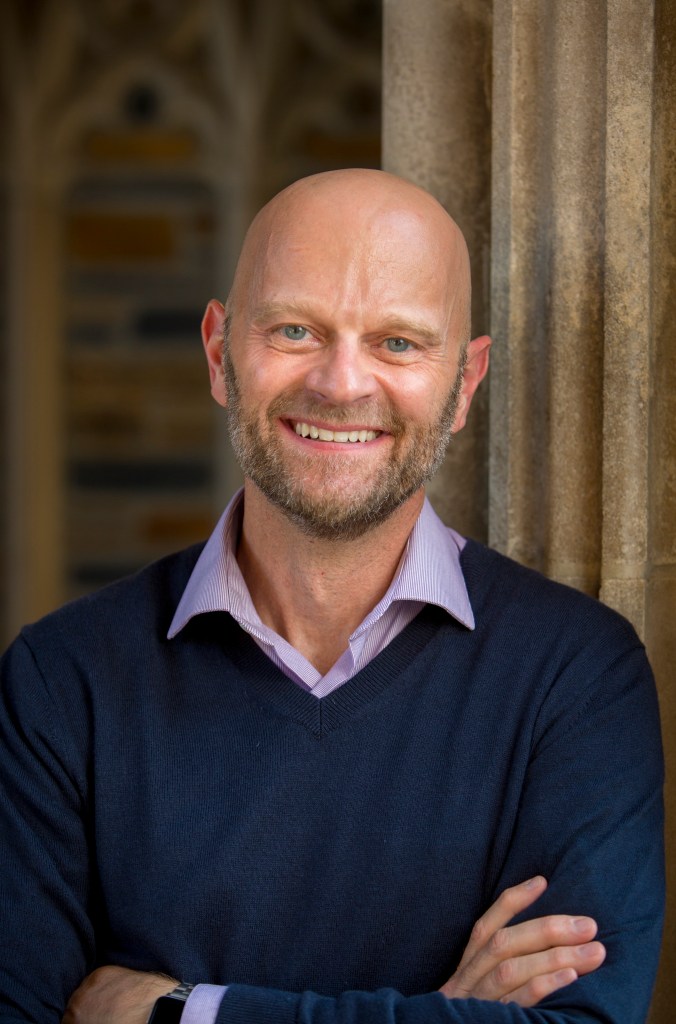
Dr. Brent A. Strawn is D. Moody Smith Distinguished Professor of Old Testament and Professor of Law at Duke University. He has edited over thirty volumes to date, including The World around the Old Testament (2014); the award-winning The Oxford Encyclopedia of the Bible and Law (2015); and Iconographic Exegesis of the Hebrew Bible/Old Testament: An Introduction to Its Theory, Method, and Practice (2015). The author of over 300 articles and essays, he has also written seven books, including What Is Stronger than a Lion? Leonine Image and Metaphor in the Hebrew Bible and the Ancient Near East (2005); The Old Testament: A Concise Introduction (2020); Honest to God Preaching: Talking Sin, Suffering, and Violence (2021); The Incomparable God: Readings in Biblical Theology (2023); and Unwavering Holiness: Pivotal Moments in the Book of Isaiah (2025). Strawn is an ordained elder in the United Methodist Church and served as a translator and editor for the Common English Bible (2011) and the New Revised Standard Version Updated Edition (2022).
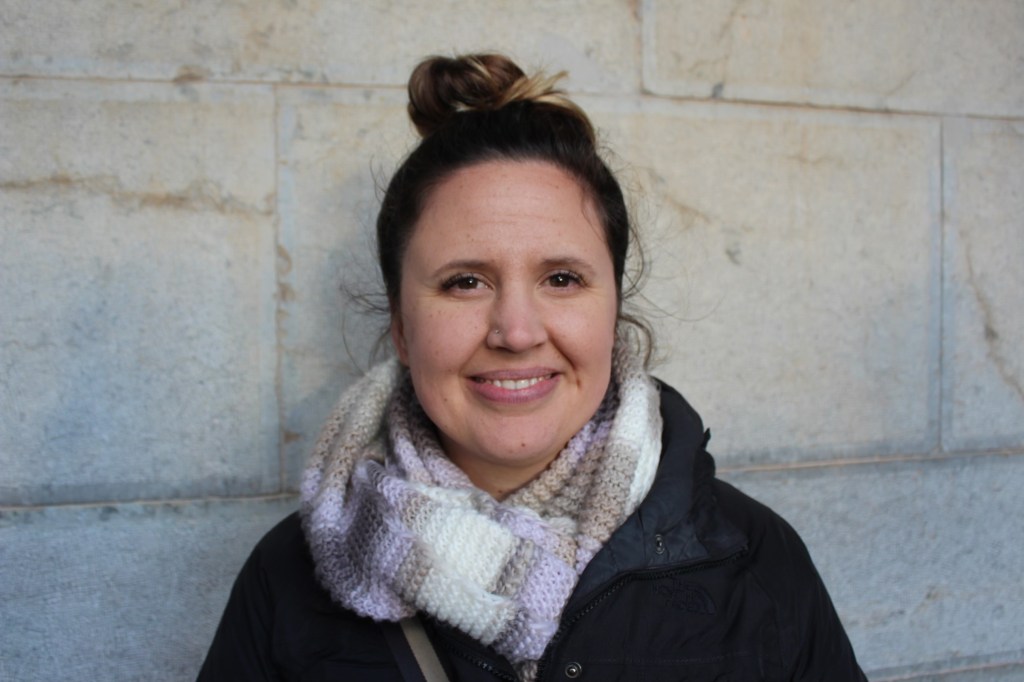
Dr. Megan Loumagne Ulishney is a feminist theologian who works at Gannon University (Erie, PA) as Assistant Professor of Theology. Before taking up her position at Gannon, Megan was a Postdoctoral Research Fellow at the University of Nottingham in the UK. Megan’s doctoral research at the University of Oxford (Christ Church) focused on the doctrine of original sin and, in particular, on the challenges and opportunities for the doctrine in a post-Darwinian world. She constructed a new framework for understanding inherited sin and sexual difference by engaging with Augustine, the Extended Evolutionary Synthesis, and feminist philosophy and theology. Her doctoral thesis formed the basis of her first book, which was recently published with Oxford University Press. Currently, Megan’s research examines theories of sexual selection and the extended evolutionary synthesis, and their relevant points of intersection with theologies of nature and theological aesthetics.
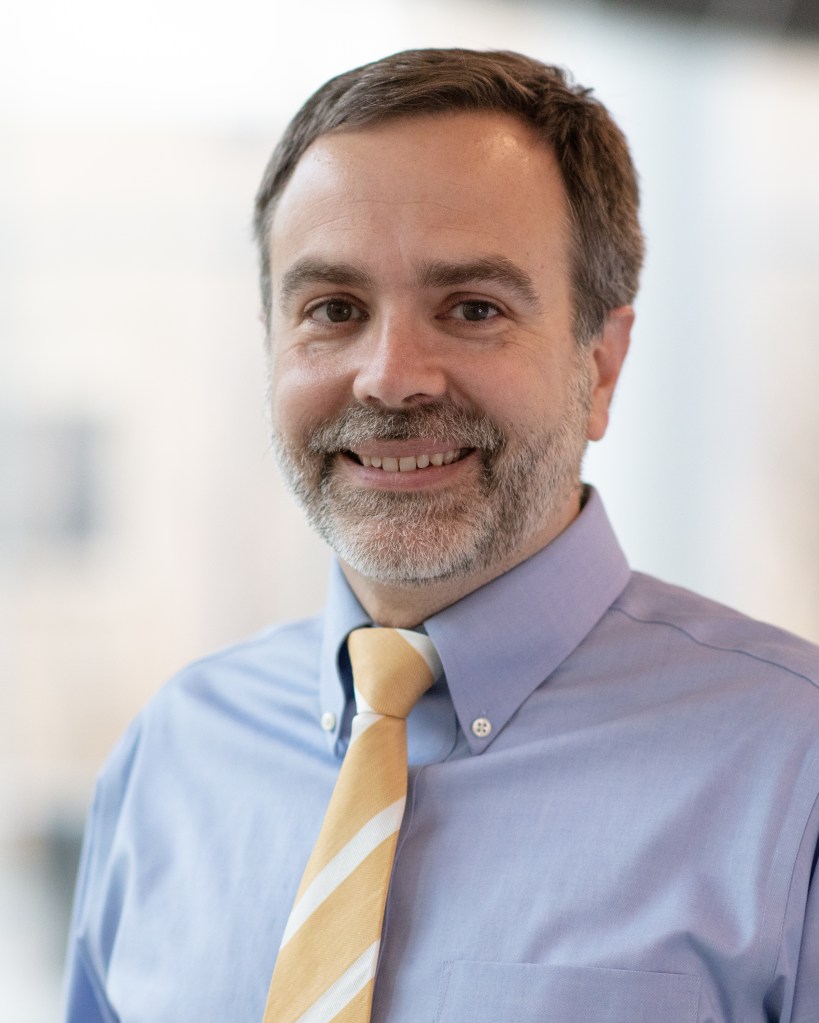
Dr. Myles Werntz (Ph.D., Baylor University) is an Associate Professor of Theology and the Director of Baptist Studies at Abilene Christian University in the Graduate School of Theology. He is the author or editor of eight books, most recently Contesting the Body of Christ: Ecclesiology’s Revolutionary Century (Baker Academic, 2025). He writes primarily in the area of Christian ethics on questions of violence, ecclesiology, and social ethics.
In Loving Memory

In the August before Phase 2, we were heartbroken about the news of the passing of our colleague and friend, Dr. Alina Beary. Dr. Beary had joined our cross-training grant in the first phase as part of the virtues group, proposing to continue her research on pride, or magnanimity, as an underappreciated virtue, especially for people under oppression. She earned her undergraduate degree in jurisprudence at Bashkir State University in her native country of Russia, an MA in philosophical theology from Criswell College, and an MA and PhD in philosophy from Baylor University. She was a faculty member of the Torrey Honors College at Biola, writing on topics ranging from Dostoevsky to the individuation of the virtues in Aquinas.
Phase 2
In Phase 2 of the project (June-December 2024), theologians applied to receive more in-depth training using a scholar-in-lab-residency model whereby they were mentored by a matched psychologist, integrated into various activities of the psychologist’s lab to provide in-depth awareness of the scientific process, and began writing projects that integrate psychological science in theological discourse.
Phase 3
In Phase 3 of the project (January-December 2025), approximately six theologian-psychological scientist teams, who were competitively selected in a small grant competition, conducted a collaborative research study that addresses theological questions, some of which will subsequently be submitted for publication.
Phase 3 Collaborators
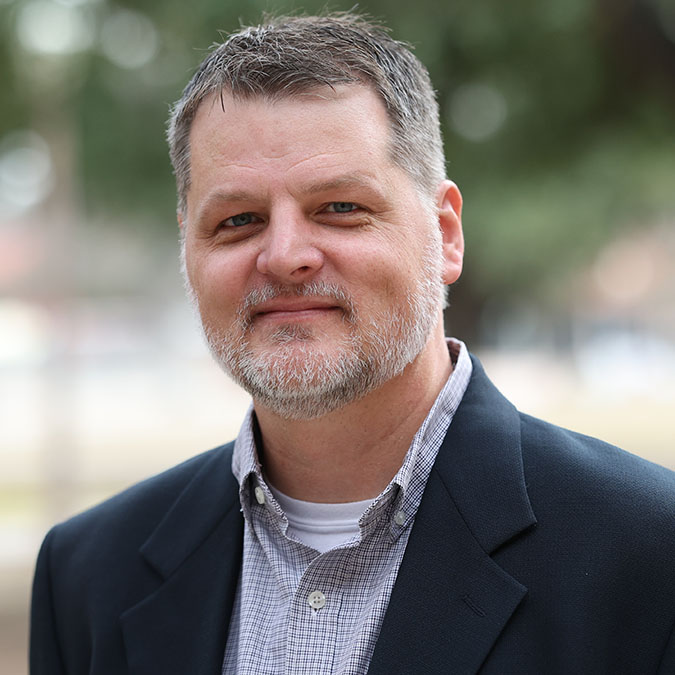
Dr. Erik Carter serves as the Luther Sweet Endowed Chair and Executive Director of the Center for Developmental Disabilities at Baylor University. His passion is equipping congregations and communities to welcome and embrace people with disabilities and their families. His research explores faith in the lives of people with intellectual disability and their families, as well as the pathways to belonging and mutual flourishing. He has published widely, including seven books and more than 300 articles and chapters.
Erik Carter is collaborating with Devan Stahl
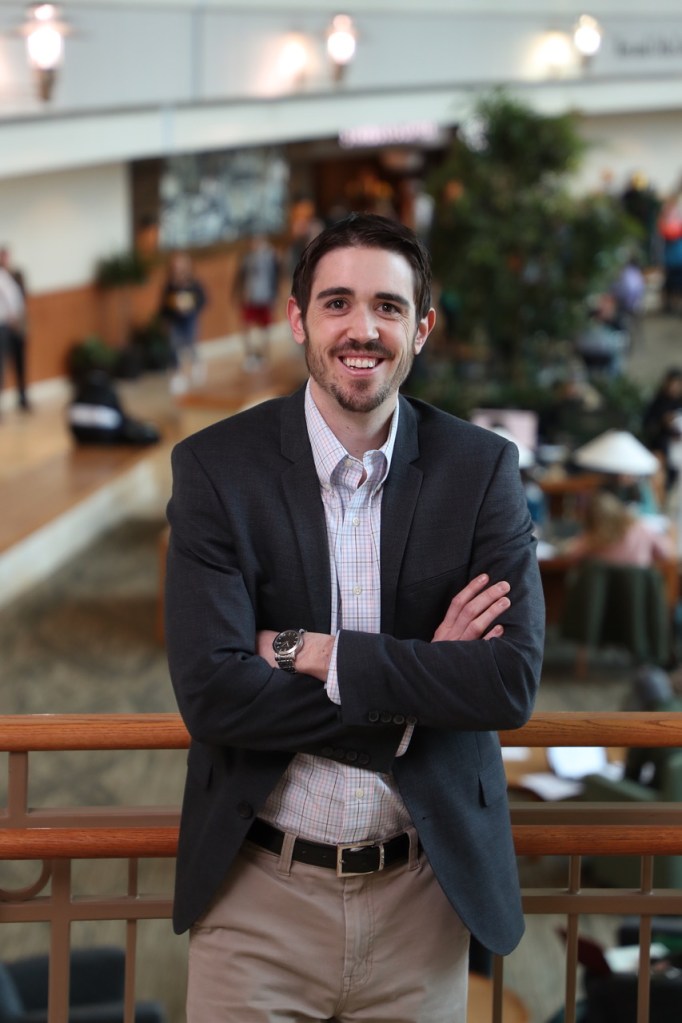
Dr. Michael Scullin is an expert in sleep and cognition and he serves as a Professor of Psychology and Neuroscience at Baylor University. Scullin’s research has been supported by the National Institutes of Health, National Science Foundation, and Templeton World Charity Foundation, and been recognized with awards by the Sleep Research Society, American Psychological Association, and Association for Psychological Science. He completed his undergraduate training at Furman University, his graduate training at Washington University in St. Louis, and his post-doctoral fellowship at Emory University School of Medicine.
Michael Scullin is collaborating with both Natalie Carnes and Kelly Iverson
Dr. Sarah Schnitker is a Professor of Psychology and Neuroscience at Baylor University Director of the BRIGHTS (Baylor Research in Growth and Human Thriving Science) Center. Schnitker studies virtue development in adolescents and emerging adults, focusing on the role of spirituality/religion in virtue formation. She is an Associate Editor for Psychology of Religion and Spirituality, an Editorial Board member for Journal of Research in Personality, and a co-editor of the Handbook of Positive Psychology, Religion, and Spirituality. She is the recipient of the Virginia Sexton APA Division 36 Mentoring Award and Student International Positive Psychology Association Mentor Award.
Sarah Schnitker is collaborating with Anne Jeffrey
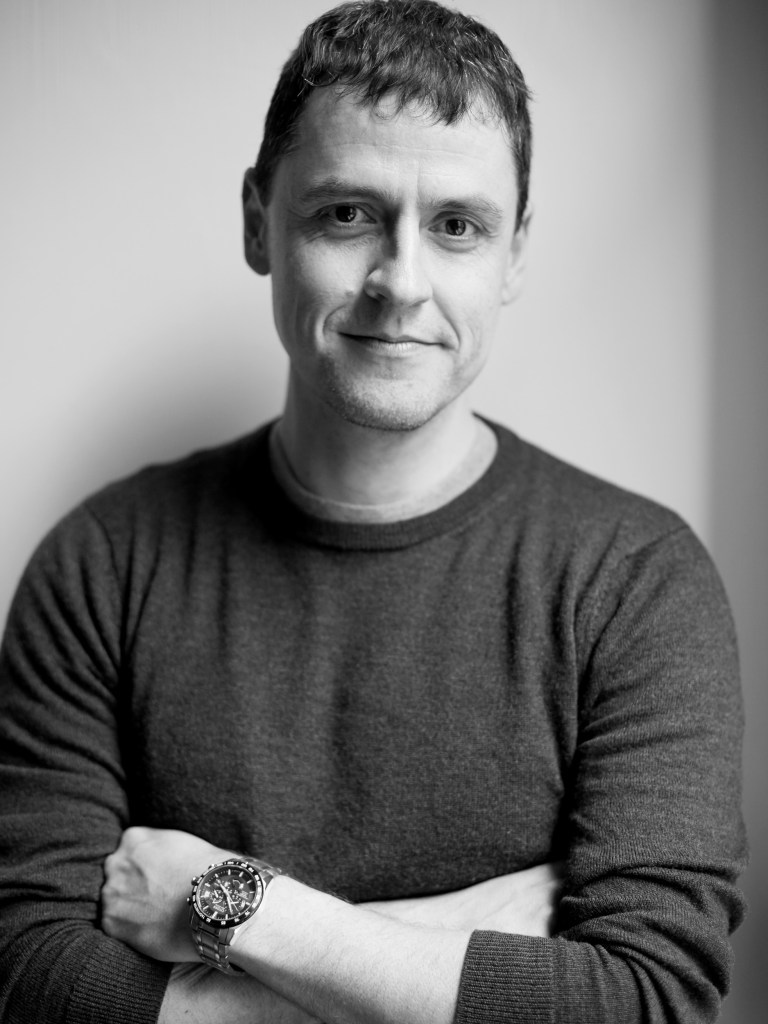
Dr. David A. Pizarro is an American psychologist and podcaster. He is a Professor of Psychology at Cornell University. His research focuses on the psychological underpinnings of human morality, as well as on the influence of emotions on decision-making, particularly on the emotion of disgust.
David Pizarro, along with PhD student Jerry Richardson, is collaborating with Toni Alimi
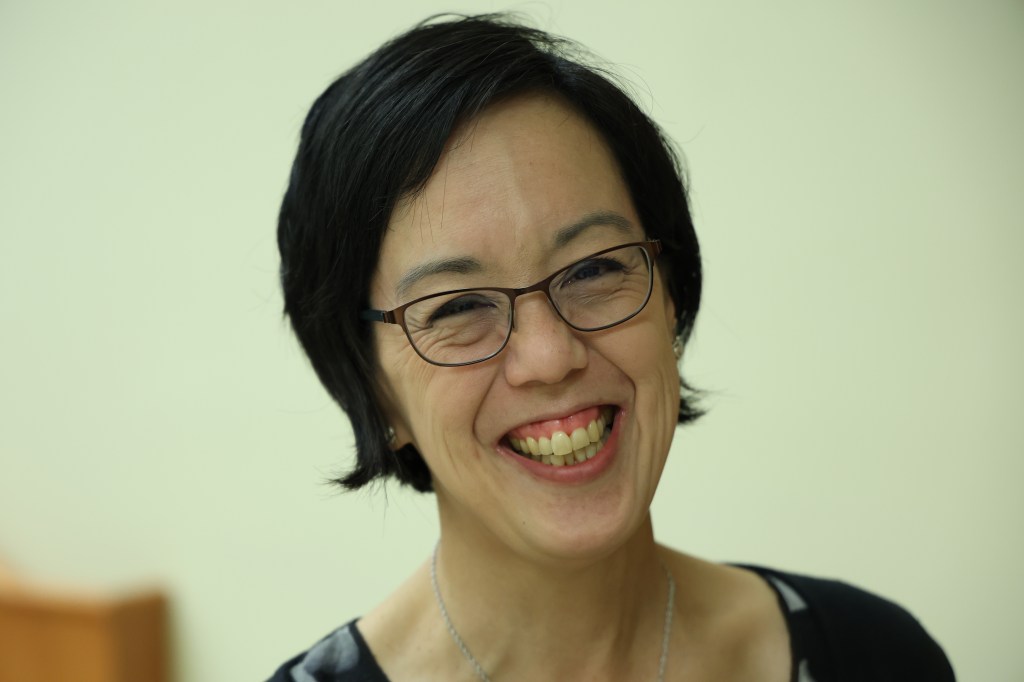
Dr. Jo-Ann Tsang is a Professor of Psychology at Baylor University. Her bachelor’s degree is from the University of California, Berkeley, and she earned her MA and Ph.D. in Psychology from the University of Kansas. Her research is in the area of social psychology, and includes work on psychology of religion, prejudice, gratitude, and forgiveness. Some current research programs include gratitude toward God, the social effects of perceptions of divine forgiveness, and religion and prejudice.
Jo-Ann Tsang is collaborating with Elise Edwards
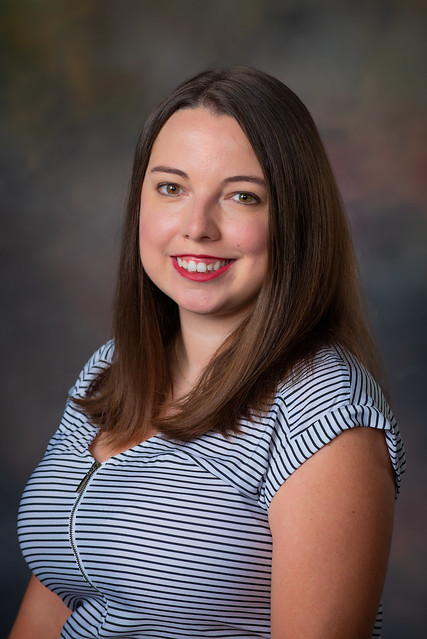
Dr. Samantha Fede is an Assistant Professor in Psychological Sciences at Auburn University. Before she started at Auburn she conducted research at NIAAA, University of New Mexico, Virginia Tech, and George Mason University. She has expertise in clinical cognitive neuroscience, including fMRI neuroimaging techniques, neurofeedback, and quantitative analysis. Dr. Fede has previously worked with populations including undergraduate students, incarcerated adults, community-based substance users, and treatment seeking individuals with alcohol use disorder. Dr. Fede’s overall research goals are to use neuroscience to understand and improve trajectories associated with psychopathology and high risk behaviors, such as substance use, particularly in intersection with sociomoral cognition.
Samantha Fede is collaborating with Kate Finley
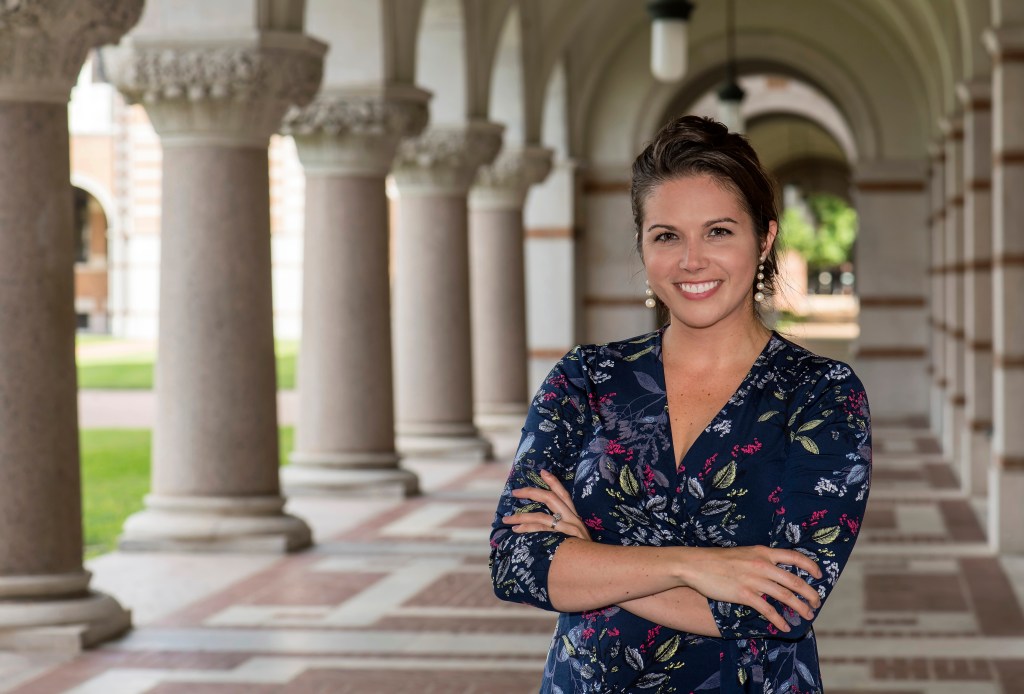
Dr. Angie LeRoy received her Ph.D. in Social Psychology from the University of Houston, with her dissertation focusing on the role of attachment and naturally occurring variation in the OPRM1 gene in differential grief responses. After her years at the University of Houston, she pursued a post-doctoral research fellowship at Rice University, where she conducted psychoneuroimmunology research for four years. Dr. LeRoy is currently an Assistant Professor in the Department of Psychology & Brain Sciences at the University of North Florida, and is the Director and Principal Investigator of The North Florida HEAL Lab, Studying Health Across the Lifespan. Dr. LeRoy’s research broadly focuses on love and loss, including the complex dynamics of an individual’s body, mind, and spirit while processing loss-related experiences. Much of this work focuses on spousal loss or loss in the form of “living bereavement.” Dr. LeRoy was recently awarded a National Institutes of Health K01 Career Development Award, funded by the National Institute on Aging, which supports the development of an app-based writing intervention for caregivers.
Angie LeRoy is collaborating with Daniel Hill
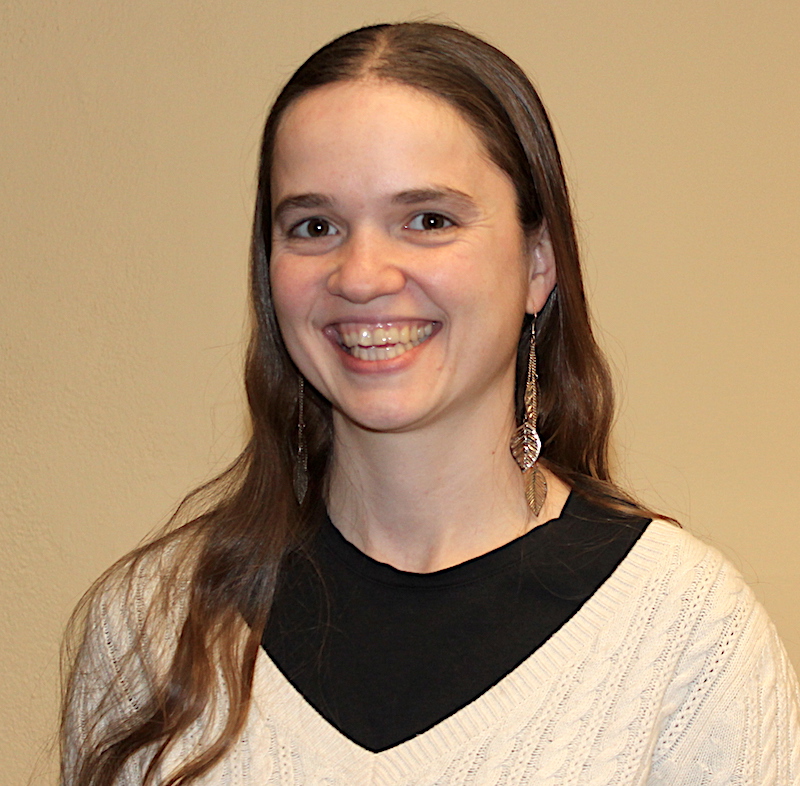
Dr. Larisa Solomon is Associate Professor of Psychology at Columbia University, where she and her team investigate moral cognition and behavior among children and adults. Part of their work focuses on connections between morality and religion; for instance, their findings have shown that people infer that individuals who share their own religious beliefs are more moral than individuals who disagree with their beliefs and that both children and adults think that curiosity about religion (as well as other topics, such as science) is a moral virtue. Dr. Solomon received a BA in Psychology from The Pennsylvania State University and a PhD in Psychology from Harvard University in 2013; she then worked as a post-doctoral fellow at Boston College before joining Columbia in 2016.
Larisa Solomon is collaborating with Kathryn Reklis

Christian Mott is a fifth-year doctoral student in psychology at Columbia University, working with Dr. Larisa Heiphetz Solomon. His research investigates moral judgments about risk imposition, the use and meaning of punishment, and the degree of alignment between moral judgments and legal rules. Prior to joining Dr. Solomon’s lab, he worked as an attorney and as a law clerk for state and federal judges. He holds a B.A. in Philosophy from Yale University and a J.D. from Yale Law School.
Christian Mott is collaborating with Kathryn Reklis
 Illuminating Theology